You can watch it run
Observability and evaluation go in from the start, not just before handover. You never have to take our word for whether something works.
A small, senior engineering practice. We design and build cloud platforms, and the AI systems that run on top of them, for teams who need both to keep working after we leave.
It started on datacenter floors. Each shift since has been built on top of the one before it, not in place of it.
UNIX, Linux and FreeBSD servers, the databases and networks between them, and the pipelines that moved data across all of it.
The same estates moved onto managed platforms: infrastructure as code, Kubernetes, delivery paths, and the networking and identity that hold them together. Mostly Google Cloud, with estates on AWS and Azure as well.
Agent systems and the platforms they run on, with evaluation and observability built in from the start. They only work because the layers underneath them do.
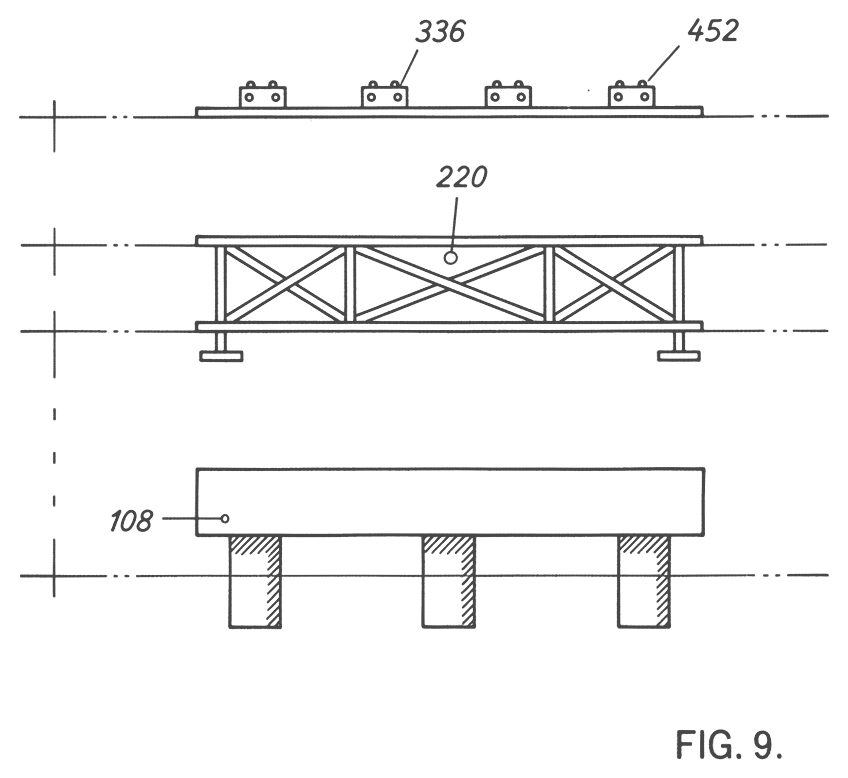
Fig. 9Why the order matters
Nothing above replaced what came before it. The agent systems we build now sit on the same platform work, which sits on the same estate work, and the dashed lines are the part most teams skip: a layer that is not registered to the one under it is a layer that moves independently, which is another way of saying it falls.
Every project we take on comes down to one of these two, or to both.
We see how systems that were never designed together connect: a cluster, a warehouse, a queue, a vendor API, the spreadsheet somebody emails every morning. Then we write the code that makes them behave as one.
We take a process that works but will not scale, find the structure inside it, write that structure down, and hand it to machines.
Three principles. We’d rather keep three than list ten.
Observability and evaluation go in from the start, not just before handover. You never have to take our word for whether something works.
When the structure is right, a system is easier to run, change and explain. We build for the team who inherits it, which is usually yours.
Every part should be earning its place. If it isn’t doing real work, we take it out rather than leave you maintaining it.
The short version, for anyone deciding whether to call.
The same three statements, said both ways. Read either column; they are the one filter, and it is said up front so neither of us spends a call finding out.
Where we do our best work
What we turn down
01Whole projects with a clear outcome and an owner on your side.
01Staff augmentation. We take on projects, not seats on your team.
02Problems where the blocker is technical and the decision has already been made.
02Work where the thing that won’t scale is a person, or a decision nobody has made yet.
03Teams who want to run and extend what we build after we hand it over.
03Anything where we would be the only people who understand it at the end.
If that sounds like the practice you’re looking for, the next step is one call, about ninety minutes.
Saguaro Cloud Systems is led by JR Camou, with collaborators on each project.